
The Best Luxury Cocktail Cans to Upgrade Your At-Home Happy Hour
Luxury cocktail cans are the ultimate rebellion against mediocrity, delivering bar-grade mixology in a vessel that demands to be opened. Each can is pre-blended with premium spirits and fresh botanicals, sealed under nitrogen to lock in carbonation and flavor until the precise moment you crack the tab. The benefit is uncompromising convenience: a perfectly balanced Negroni or martini, chilled and ready, without a shaker, jigger, or bartender’s license. Simply chill, snap, pour over ice, and let the physics of pressurized precision do the rest—elevating any rooftop, trailhead, or hotel room into a private cocktail lounge.
What Sets a Premium Ready-to-Drink Cocktail Apart in a Can
A premium ready-to-drink cocktail in a can stands apart the moment you taste it—there’s no sharp alcohol burn or syrupy flatness, just a **balanced, layered flavor** that mimics a freshly shaken drink from a bar. The texture matters too: luxury cans use nitrogen or precise carbonation to give a silky mouthfeel, not aggressive fizz. You’ll also notice real citrus oils or botanical essences instead of artificial extracts, which means the aroma hits before you sip. The seal is crucial—a high-quality can preserves volatile compounds, so the gin’s juniper or the vermouth’s herbal notes stay bright, not metallic. Finally, the pour is visual: a good luxury can pours clear, without cloudiness or sediment, and holds its character over ice without tasting watered-down.
If the can’s contents smell like a cocktail, not a mixer, you’ve found the premium tier.
That’s the real test—luxury is about respecting the recipe, not just the packaging.
Real Spirits vs. Malt Base: How to Verify the Alcohol Content and Base
To verify a luxury cocktail can’s base, first inspect the label for the distilled spirit named—vodka, gin, or whiskey—rather than vague terms like “malt beverage.” A true spirit base is legally disclosed with its proof, while malt-based options often list only alcohol by volume. Check the ingredient list for grain or barley extracts, which signal fermentation rather than distillation. For rigor, compare the stated ABV against the volume; a 375-milliliter can with 40% ABV holds roughly 150 milliliters of pure alcohol. This calculation confirms whether the potency aligns with a real-spirit pour or a diluted, malt-derived substitute.
Carbonation Levels and Mouthfeel: Why Texture Matters in Canned Mixology
In canned mixology, carbonation isn’t just fizz—it’s the backbone of premium mouthfeel in canned cocktails. A luxury can dials in lower, tighter bubbles that mimic a freshly poured soda, avoiding that aggressive, beer-like burn. The right carbonation level also carries aromatic compounds, so the first sip hits your nose before the liquid lands. Watch for a soft, creamy “head” when poured—that signals nitrogen infusion or meticulous CO₂ control. Too flat, and the drink feels syrupy; too sharp, and it masks the spirit’s nuance. Texture bridges flavor and alcohol warmth, making every sip feel silky yet crisp.
**Q: Why does carbonation level change how a canned cocktail tastes?**
A: Because bubbles physically scrub your palate—gentle carbonation lets fruit and botanicals linger, while harsh fizz numbs your taste buds and rushes the finish.
How to Properly Chill and Serve Canned Cocktails for Maximum Flavor
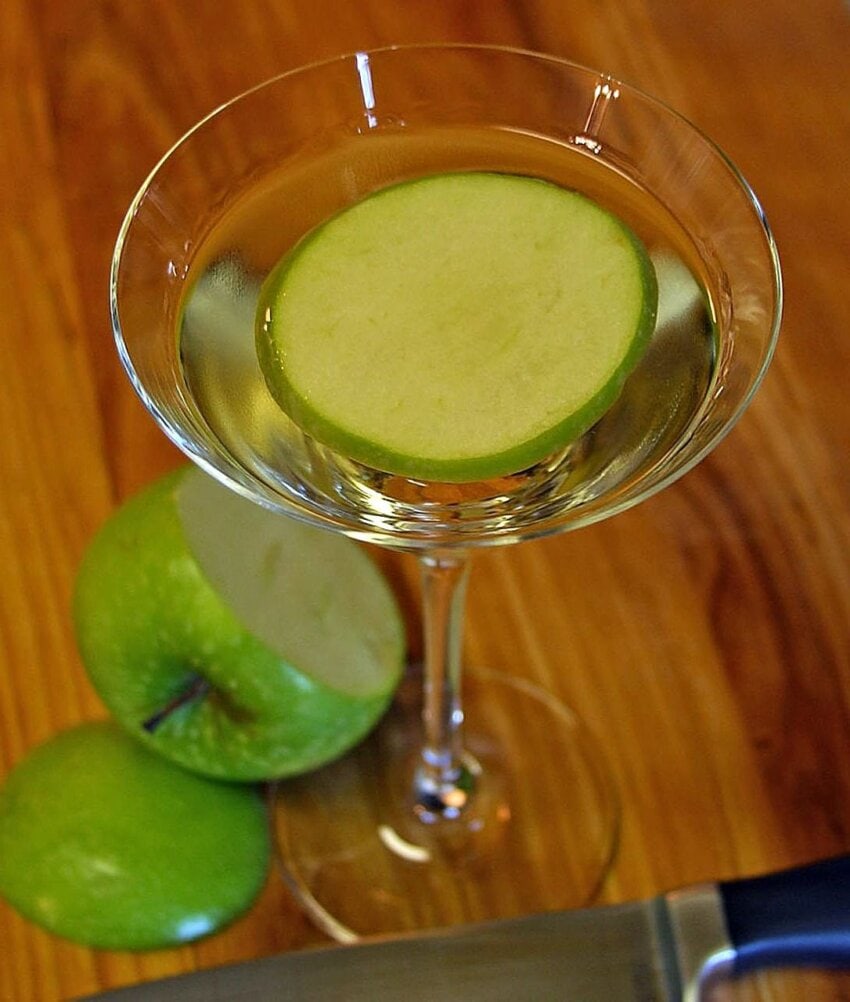
For a luxury canned cocktail, the ritual begins long before the sip. Submerge the can in an ice-water bath with a handful of sea salt for exactly twenty minutes—this flash-chills to 38°F without diluting the botanicals inside. Pour over a single, hand-carved ice sphere in a chilled crystal rocks glass, never straight from the can, to unlock layered aromatics. The pour should mimic a slow waterfall, letting the froth settle for ten seconds. *How do you know it’s perfectly chilled?* The aluminum should feel bitingly cold but not painful, and beads of condensation should form within five seconds. Serve immediately, as luxury formulations lose their effervescent structure after fifteen minutes of ambient exposure, leaving the citrus oils flat and the vermouth mute.
Optimal Temperature Ranges for Gin, Whiskey, and Tropical Mixes
For canned gin-based cocktails, target a brisk 38–42°F (3–6°C) range, as this preserves delicate botanicals without numbing their citrus or floral顶层notes, while preventing the juniper from turning harsh. Whiskey-forward cans, however, demand a warmer band of 50–55°F (10–13°C); this slight tempering unlocks caramel and oak compounds, reducing ethanol burn, and avoids the muted, closed-off profile that excessive cold creates. Tropical mixes—often rum or tequila with fruit—perform best at 34–38°F (1–3°C), where the colder temperature sharpens acidity and sugar balance, mimicking a fresh blended drink. Always avoid freezing, as ice crystal formation dilutes flavor; instead, rest cans in ice water for five minutes, then verify with an instant thermometer.
Gin thrives at 38–42°F, whiskey at 50–55°F, and tropical mixes at 34–38°F—these optimal temperature ranges ensure each canned spirit’s unique character fully expresses.

Glassware Choices: Which Vessel Actually Elevates the Drinking Experience
For canned cocktails, the vessel isn’t mere decoration—it’s the final flavor architect. A chilled coupette glass concentrates aromatic botanicals while its wide, shallow bowl prevents the drink from warming too quickly, preserving that just-opened effervescence. Skip plastic or tin; their metallic tang leaches into premium spirits, muting delicate citrus or barrel notes. Instead, a heavy-based rocks glass suits bold, spirit-forward pours, letting a single large ice cube dilute slowly without shattering the cocktail’s balance. Even the rim’s thickness alters perception, with thin crystal delivering a sharper, more precise sip than thick-walled tumbler edges. For spritz-style cans, a tall highball with a straw directs liquid past the palate’s sweet spots, emphasizing crisp carbonation.
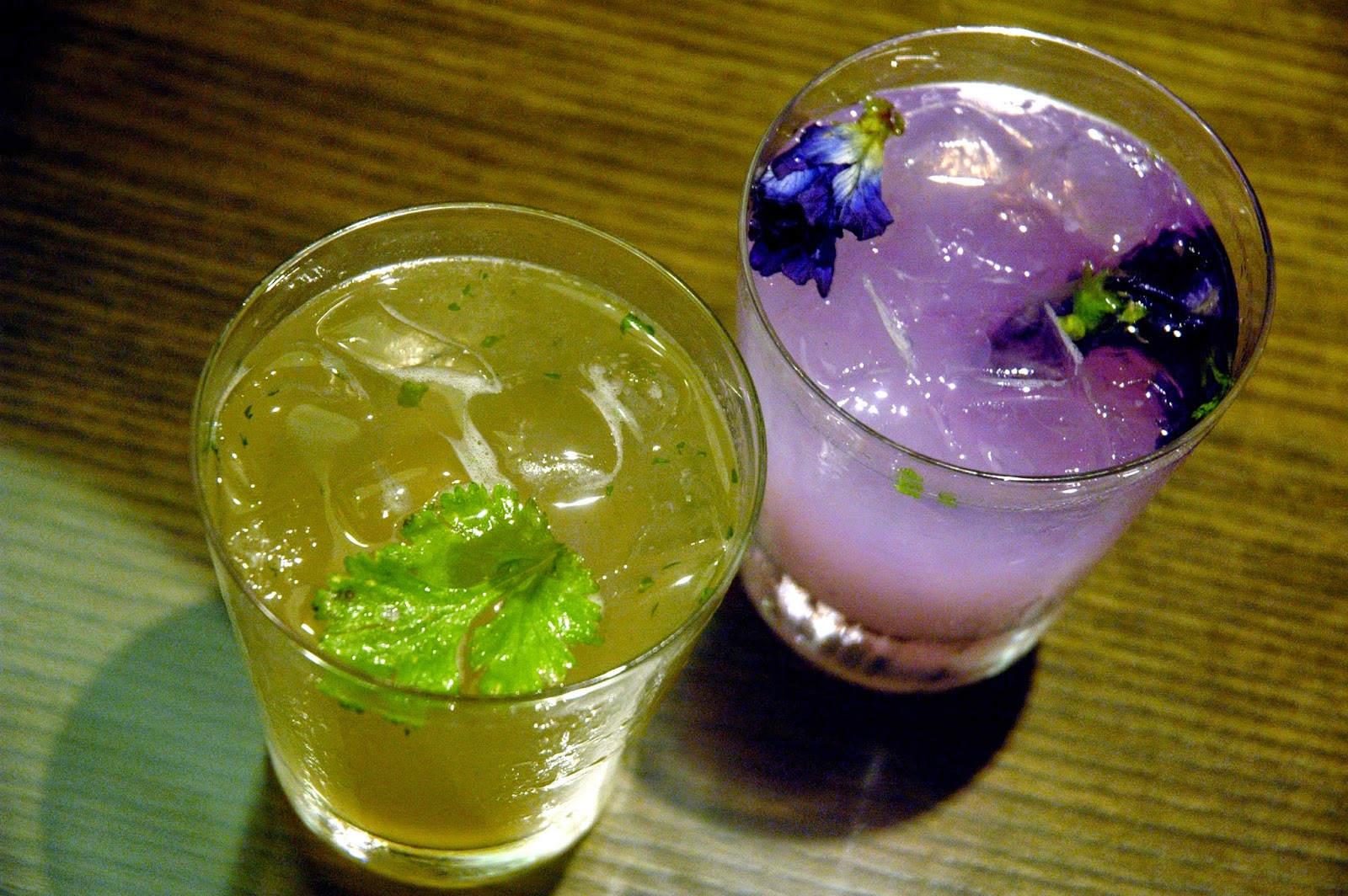
- Pre-chill glassware in the freezer for 10 minutes—never stack warm glasses with cold liquid.
- Use a coupe for aromatic cans; its shape traps esters, boosting nose-to-taste harmony.
- Choose a rocks glass with one large cube, never crushed ice, to avoid over-diluting canned blends.
Decoding the Label: Key Ingredients That Define a Truly Luxurious Canned Drink
Decoding the label of a luxury cocktail can begins with **the botanical backbone**, not the alcohol percentage. A truly refined can lists whole, recognizable ingredients—cold-pressed citrus, single-origin botanicals, or barrel-aged bitters—early in the ingredient sequence, signaling real concentration over flavoring syrups. Avoid anything with “natural flavors” as a catch-all; luxury relies on specificity, like “Sichuan peppercorn” or “yuzu zest.” The alcohol source matters equally: look for a base spirit named by its producer or distillery, not a generic “neutral spirit.” A key insight:
If the label mentions water as the second ingredient, the drink will taste diluted—true luxury leads with juice or spirit, not filler.
Finally, check for a batching date or lot number; it indicates small-batch integrity and ensures you’re opening freshness, not inventory dead stock.
Botanicals, Bitters, and Fresh Citrus: What to Look For in the Ingredient List
When scanning a luxury cocktail can, prioritize real botanical extracts—listed as actual herbs, roots, or flowers—over vague “natural flavors.” Bitters should appear as specific ingredients like gentian root or orange pornstar martini peel, not as a proprietary blend hidden at the label’s end. Fresh citrus means seeing “lemon juice concentrate” or “cold-pressed lime oil” early in the list; avoid anything citing “citric acid” as the sole souring agent. The finest cans disclose these components plainly, proving their depth without hiding behind obscure terminology. A truly refined recipe lets each botanical speak distinctly, undiluted by cheap syrups or artificial essences. If a label lists three citrus types, expect layered zestiness; if bitters are the fourth ingredient, anticipate a dry, complex finish rather than a sugary profile.

Identifying Artificial Additives vs. Craft-Style Components
Distinguishing artificial additives from craft-style components begins with the label’s ingredient order, as real citrus juice or cold-pressed botanicals appear early, while “natural flavors” and preservatives like sodium benzoate signal manufactured shortcuts. A truly premium can lists specific spices, teas, or fruit purées rather than vague “flavorings,” and the absence of high-fructose corn syrup or artificial coloring—often replaced by butterfly pea flower or turmeric—marks a deliberate, small-batch approach. Scrutinize stabilizers such as guar gum or phosphoric acid, which mask thin mouthfeel, versus craft thickening from egg white or gum acacia. Crucially, craft-style component recognition hinges on transparency: real ingredients degrade or settle, so a suspiciously uniform texture or unnaturally bright hue after months on shelves indicates synthetic intervention, not artisanal quality.
How to Pair Gourmet Canned Cocktails with Food Like a Sommelier
Treat a luxury cocktail can like a finished sauce, not a beverage afterthought. Match weight first: a smoked Old Fashioned with its velvety dark-char profile demands grilled steak or aged gouda, while a bright yuzu-gin spritz cuts through buttery lobster or fried artichokes. Read the can’s flavor notes as you would a wine label—citrus-forward cans pair with acidic dishes, and herbaceous ones elevate roasted vegetables. Sommelier rule: mirror intensity, contrast texture. Sip between bites to reset your palate; then ask—should I serve a Manhattan with blue cheese or dark chocolate? Answer: blue cheese, because its brine and fat tame the rye’s spice, while chocolate clashes with vermouth’s herbal bite. The carbonation in a luxury spritz cleanses oil, so save those cans for crisps, tempura, or shellfish—never heavy cream sauces.
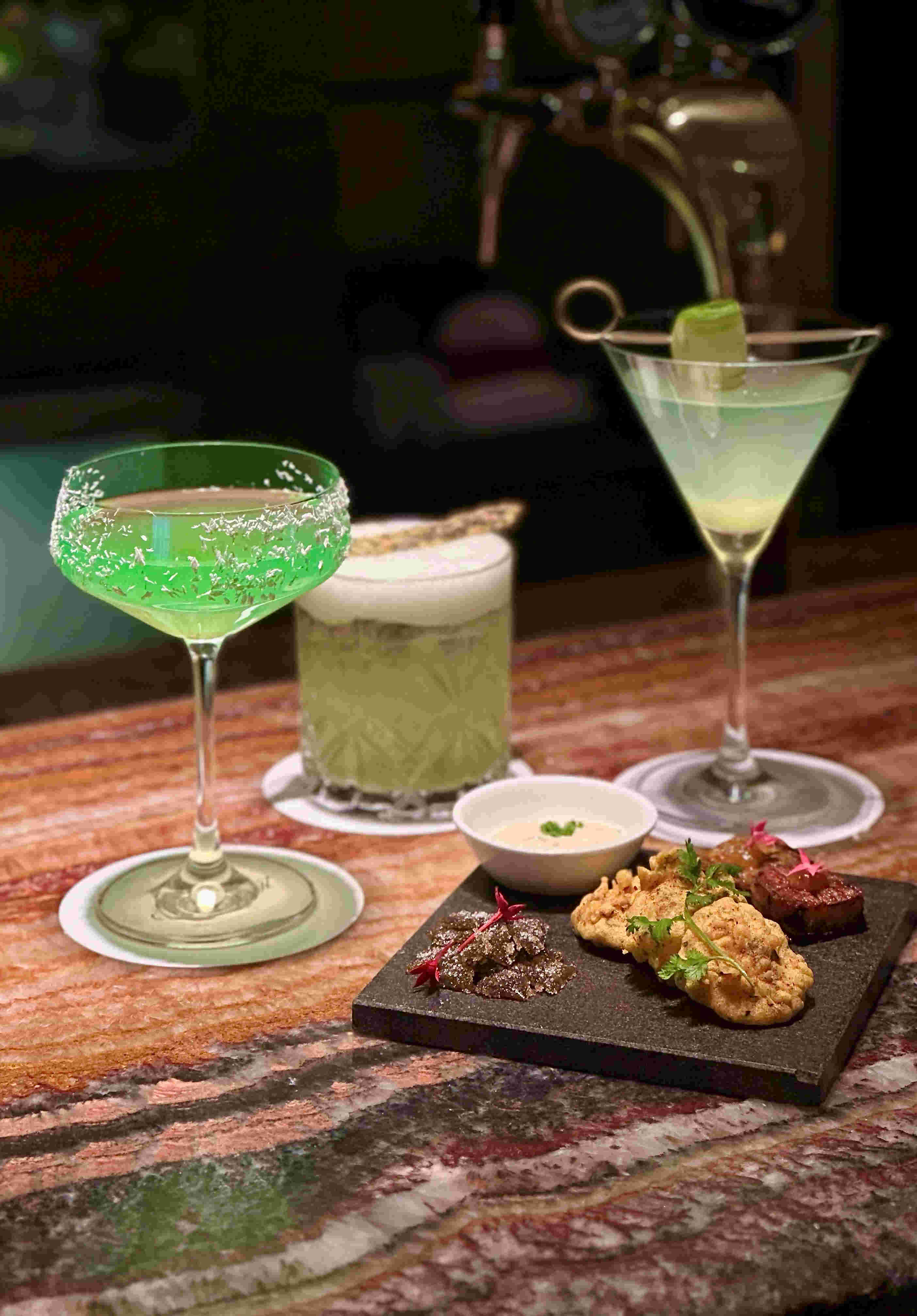
Matching Flavor Profiles (Smoky, Sweet, Herbal) to Specific Dishes
Matching flavor profiles in luxury cocktail cans requires reading the dominant note against the dish’s weight. A smoky canned mezcal or Scotch-based cocktail pairs best with grilled meats, charred vegetables, or smoked fish, as the phenols mirror the caramelized crust. Sweet profiles—think bourbon or rum-based cans—cut through salty, spicy, or umami dishes like glazed pork belly or blue cheese, balancing richness. Herbal options with gin or vermouth suit lighter fare: salads, seafood, or goat cheese, where botanicals echo fresh herbs. A clear sequence: (1) identify the can’s core note, (2) match intensity to the dish (smoky to robust, sweet to salty, herbal to delicate), (3) avoid clashing extremes—never pair sweet with sweet or bitter herbal with bitter greens.

Using Canned Varietals as a Base for Custom Garnishes and Twists
Treat a premium canned cocktail not as a finished drink, but as a flavor-forward base for custom garnishes and twists. A barrel-aged Negroni in a can gains immediate complexity when you express a strip of orange oil over the rim and drop in a burnt rosemary sprig. For a canned Paloma, swap the standard lime wedge for a charred grapefruit slice dusted with smoked salt. To elevate a canned martini, skewer a cornichon with a caper berry instead of an olive. Build your twist in a deliberate sequence:
- Smell the can’s dominant note (citrus, botanicals, or spice).
- Choose a garnish that contrasts, not repeats, that note—think heat, smoke, or brine.
- Add the garnish only after pouring into a chilled glass, allowing the aromatics to bloom.
This transforms a convenient pour into a bespoke ritual, matching the specificity of a sommelier’s pairing.
Common Mistakes to Avoid When Buying or Tasting High-End Canned Drinks
You finally splurge on a four-pack of luxury cocktail cans, expecting a bar-quality Negroni, only to find the botanicals have flattened into a syrupy blur. The first mistake is ignoring the production date—these aren’t wine, but they do degrade, and a can six months old will taste dull. Next, don’t pour it over a massive ice cube and call it done; the dilution mutes the balanced bitters the blender worked hard to achieve. Instead, chill the can upright in the fridge for two hours, not the freezer, which can separate the emulsified citrus. Also, never sip straight from the rim—you’ll miss the aromatic顶层. Finally, resist shaking the can; agitation oxidizes the premium vermouth. Wait three full minutes after opening before tasting, letting volatile esters wake up. That pause separates a craft sip from a wasted twenty bucks.
How to Spot a Can That Has Been Over-Sweetened or Over-Carbonated
When a luxury cocktail can leans too sweet, the first sip clings syrupy to your palate, masking the spirit’s bite—so tilt the can and pour; if the liquid runs thick, like a cordial, that’s your red flag. Over-carbonation reveals itself in a violent hiss upon opening, followed by foam erupting past the rim before you even lift it to your lips. A properly balanced can should settle within seconds, not fizz relentlessly. Tap the side: a dull, tight sound suggests excessive pressure, while a sharp, hollow ring means ideal gas. Trust your tongue’s finish—if it’s cloying or prickles beyond a quick effervescent spark, the can failed its craft. These sensory checks are your best armor against a spoiled luxury cocktail can.
Why You Should Never Drink Directly from the Can—and What to Do Instead
Drinking straight from a premium cocktail can destroys the carefully engineered aroma, as your nose is blocked by the rim, trapping volatile botanicals meant to hit your palate first. It also warms the liquid too fast, dulling the crisp, cold bite that distinguishes a high-end pour. Instead, always decant into a chilled glass—even a rocks glass works—to release layered scents and let the texture breathe. Swirl gently, then sip. If you’re outdoors, pour into a thermal cup to preserve carbonation and temperature control; never sip from the metal, which adds a faint metallic tang and masks the cocktail’s balance.
Skip the can’s edge: pouring into a proper glass unlocks the full aromatic profile and keeps the drink cold, crisp, and true to its recipe.
Legutóbbi hozzászólások